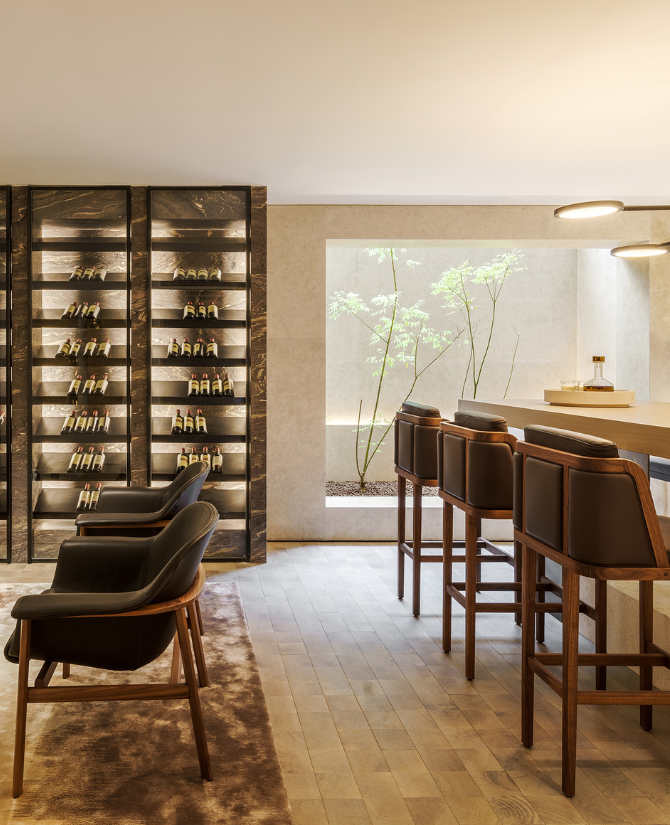
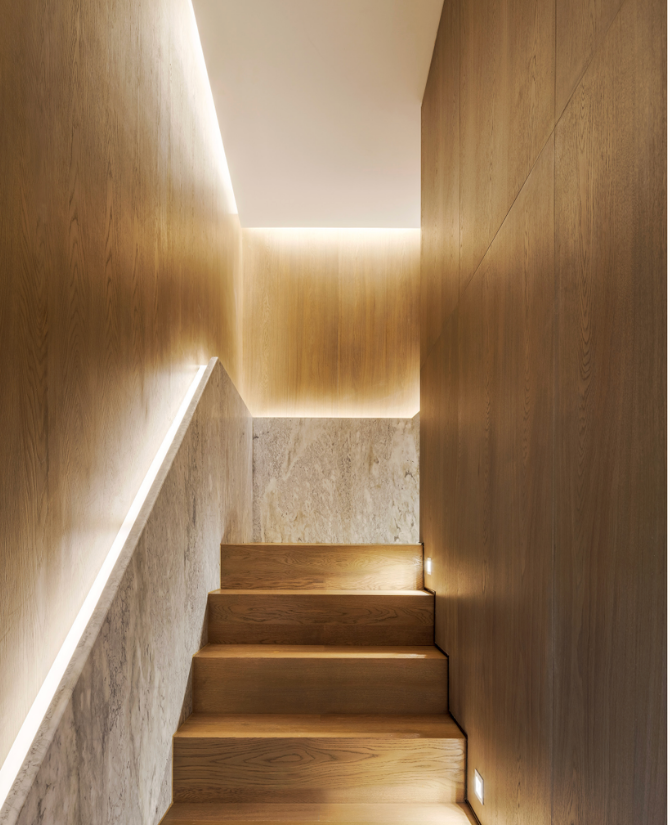
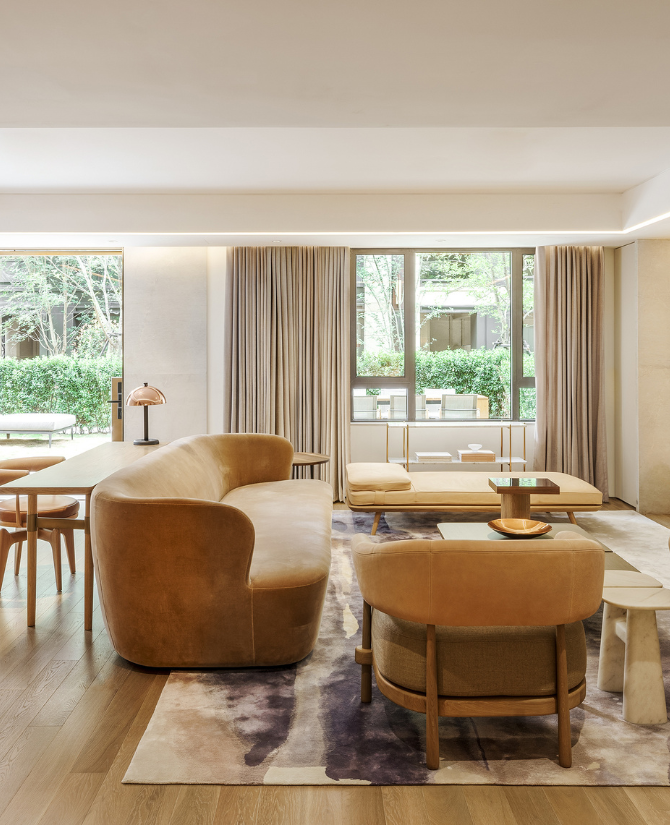
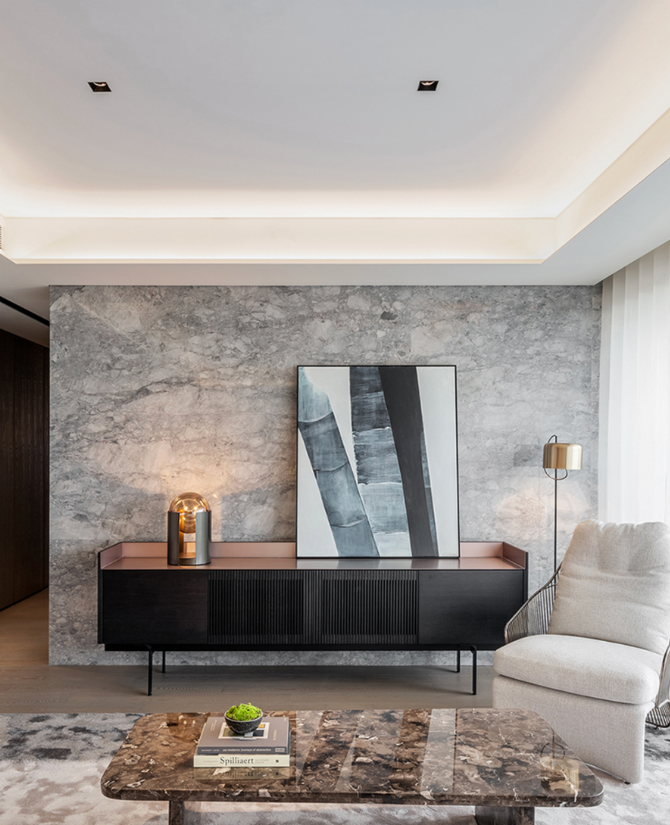
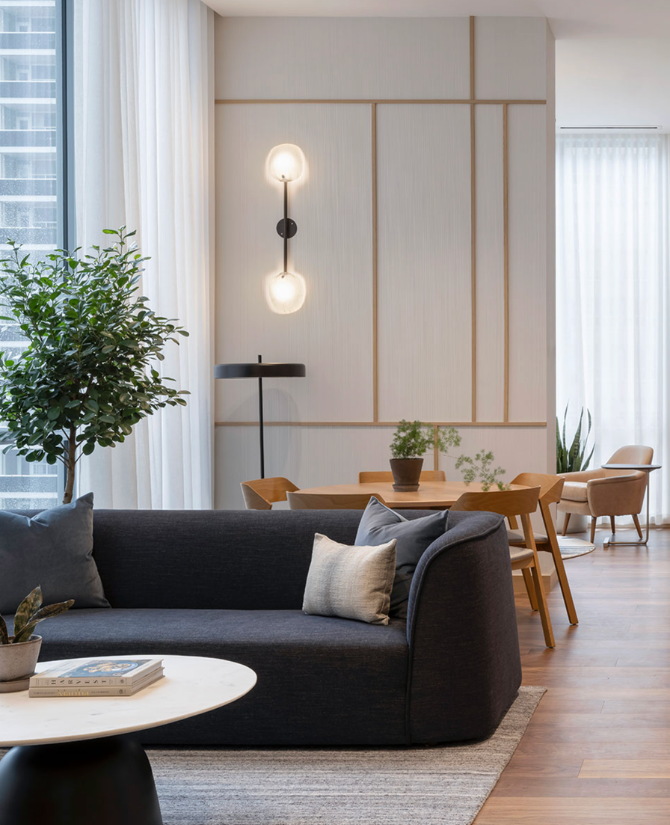
Lighting is one of the most overlooked elements in a home. In this showcase, Stanley Sun, Cofounder and Creative Director of Mason Studio, answers five questions about the most common lighting mistakes homeowners make. His insights draw on Mason Studio’s ongoing exploration of light, mood, and human response through The Light Room, a testing hub that examines how light can influence mood, behaviour, and perception.
kuulhouse: What is the biggest lighting mistake homeowners make?
Stanley: The biggest mistake is relying on a single ceiling light to illuminate an entire room.Homes feel more comfortable when lighting is layered, combining ambient, task, and softer accent lighting.When everything comes from one bright source overhead, the space can feel flat, harsh, and less inviting. Good lighting creates depth and allows a room to shift throughout the day.
kuulhouse: Why should lighting be considered early in a renovation?
Stanley: Lighting affects ceiling design, millwork, electrical infrastructure, and even how furniture is arranged. When it’s introduced late in the process, opportunities for better placement and integration are often lost. Planning lighting early allows it to work seamlessly with the architecture rather than being added as an afterthought. It usually results in both better performance and fewer compromises.
kuulhouse: How does lighting affect mood, comfort, and well-being at home.
Stanley: Light strongly influences how we feel in a space. Broadly speaking, warmer, softer lighting can make rooms feel calm and welcoming, while cooler, brighter light can support focus and activity. Properly positioned lighting also reduces glare and eye strain, which improves comfort over long periods of time. When lighting responds to how people actually live in their home, the environment becomes noticeably more relaxing and functional.
kuulhouse: What simple changes can improve lighting without a major reno?
Stanley: Start by adding more layers of light through table lamps, floor lamps, and wall lighting rather than relying solely on overhead fixtures. Switching to warmer bulbs, typically around 2700K, can immediately make a home feel more comfortable. In residential settings, we often recommend using 2200K in spaces intended for relaxation or sleeping. Using dimmers wherever possible also allows a space to shift from bright daytime use to softer evening lighting.
kuulhouse: What’s one question every homeowner should ask before finalizing a lighting plan?
Stanley: Ask them how the lighting will change throughout the day and evening. A good lighting plan should support different activities, from working and cooking to relaxing and entertaining. Understanding how brightness, colour temperature, and placement will evolve helps ensure the home remains comfortable at all hours. Lighting should support daily life, not just illuminate the room.
"Lighting should support daily life, not just illuminate the room."